
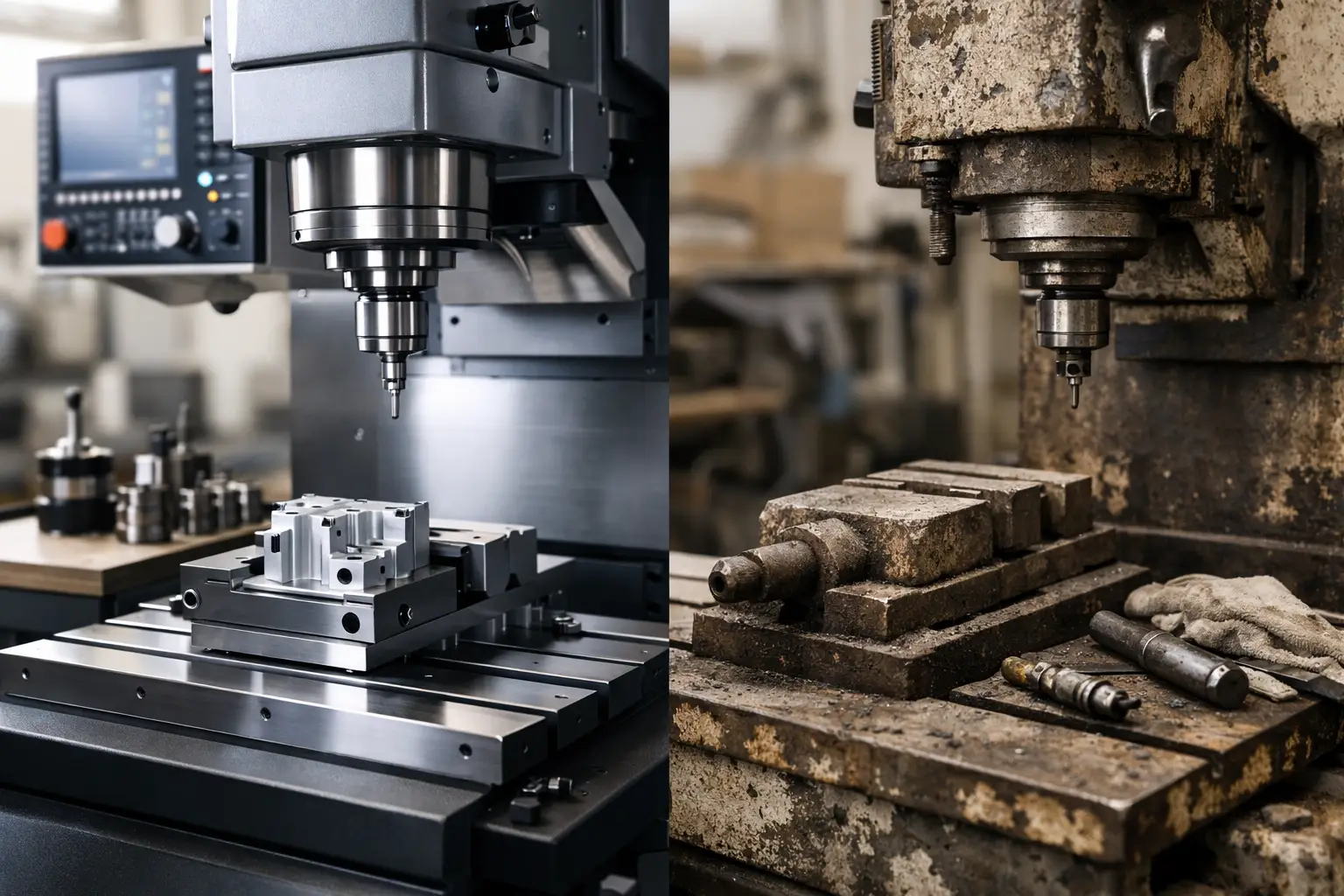
That bargain-priced casino game can look perfect in a photo: bright cabinet, clean button deck, familiar artwork, and a price that leaves room in the budget for a few more game room upgrades. Then it arrives, and the bill validator will not clear, a door sensor keeps the game from booting, or the monitor has a flickering corner nobody mentioned. Buying restored versus untested machines is not just a question of price. It is a decision about how much uncertainty, repair work, and downtime you want to bring home with your fun.
For a collector who enjoys troubleshooting electronics, an untested machine can be an interesting project. For most homeowners who want to plug in a game, invite friends over, and enjoy casino-style entertainment in the basement or garage, a restored machine is usually the better experience from day one.
What an Untested Machine Really Means
Untested is often mistaken for a neutral description. It is not. In the used gaming-equipment world, it usually means the seller has not verified whether the machine powers on, boots correctly, accepts credits, pays out properly, or can be operated reliably outside a casino environment.
Sometimes the seller truly does not know the machine’s condition. It may have come from a warehouse, a route operator, an auction lot, or a casino floor pull. Other times, the seller may know it has an issue but does not have the time, parts, or technical background to diagnose it. Either way, the buyer is accepting the unknown.
An untested machine may need something simple, such as a fresh battery, cleaned button contacts, or a replacement power cord. It may also have a failed power supply, damaged game board, worn monitor, missing harness, bad touch screen, or software issue that prevents it from loading. A cabinet can look great while the parts that make it play are tired, incomplete, or failing.
There is also a big difference between a machine that turns on and a machine that is ready for home use. Former casino machines were built for casino environments. They can include door switches, security components, casino communication hardware, locks, sensors, and settings that are unnecessary or inconvenient in a home game room. A machine that boots in a warehouse is not automatically a machine you can enjoy without frustration at home.
Buying Restored Versus Untested Machines: The Real Cost
The sticker price is the most obvious difference, but it is rarely the full cost. An untested machine may be cheaper upfront because the seller is passing the risk to you. If it needs repairs, replacement parts, specialty shipping, tools, or professional service, the initial savings can disappear quickly.
Think about the questions behind the price. Can you identify the exact issue? Can you find compatible parts for that particular cabinet and game platform? Can you safely work around high-voltage components? Do you have a way to move a heavy machine more than once if it needs to go to a repair shop? Even a small problem can become expensive when it involves older hardware or a hard-to-source display.
Time matters, too. A machine purchased for a birthday, holiday gathering, man cave, she shed, or newly finished basement should create excitement, not sit dark in a corner while you hunt for a wiring diagram. The best deal is not always the lowest number on the invoice. It is the machine that gives you the most dependable play for the money you spend.
Restored machines cost more because the work has already been done. That work should include more than wiping down the cabinet and confirming that the screen lights up. A properly shopped machine is evaluated as a complete system: cabinet condition, electronics, game operation, button response, display quality, sound, doors, wiring, power, and the components that affect everyday play.
Restoration Is More Than a Fresh Coat of Shine
A good restoration brings a former commercial machine back with home ownership in mind. The cabinet should be cleaned inside and out, not simply made presentable from the front. Buttons, lamps, displays, bill validators, ticket printers when applicable, and coin-related components should be checked for proper operation. Faulty or worn parts should be repaired or replaced rather than left for the next owner to discover.
Software and firmware updates can matter as much as physical repairs. Older machines may need updated programming, cleared errors, or configuration changes before they perform as intended. The goal is not to make a casino machine look like it belongs in a casino again. The goal is to make it enjoyable, dependable, and practical in your home.
At St. Louis Slots, machines go through a 21-point inspection and are prepared for residential operation. Casino-specific sensors, locks, and unnecessary switches can be removed or modified so the game is not fighting you every time you open a door or restart it. That kind of hands-on preparation is what separates a truly home-ready machine from an as-is cabinet with a power cord.
When an Untested Machine Can Make Sense
Untested does not always mean bad. It can make sense if you are buying a cabinet for a restoration project, already have experience repairing gaming equipment, or want specific parts that are difficult to find. It can also be a reasonable choice when the price is low enough that you are comfortable treating the purchase as a gamble.
The key is to buy it as a project, not as a guaranteed game room centerpiece. Budget for the possibility that it will need more than one repair. Ask whether the machine includes its main boards, power supply, door keys, wiring harnesses, monitor, button panels, and game-specific hardware. Missing pieces can be harder to solve than broken pieces.
You should also consider your tolerance for cosmetic work. Scratches, worn graphics, peeling trim, and damaged button decks may not affect gameplay, but they affect how the machine feels in your space. Some buyers enjoy bringing a cabinet back to life. Others would rather spend their weekends playing it.
Questions to Ask Before You Buy
Whether you choose restored or untested, ask direct questions before money changes hands. Is the machine fully operational, or does it only power on? Has every game function been tested? What parts have been repaired or replaced? Is it configured for home use? Are any errors present? Does it include keys, and has the cabinet been opened and inspected internally?
For a restored machine, ask what the restoration process actually covers. A reputable seller should be comfortable explaining the work in plain language. You do not need an engineering lesson, but you deserve more than a vague promise that it has been checked out.
Ask about support after the sale as well. Gaming machines are mechanical and electronic entertainment pieces. Even a carefully restored game can eventually need a question answered, a setting adjusted, or a service recommendation. Having a knowledgeable person available after delivery is a real part of the value, especially if you do not want to become your household’s slot-machine technician.
Choose the Ownership Experience You Want
A restored machine is for the buyer who wants confidence: a game that has been cleaned, repaired, updated, inspected, and prepared to live outside a casino. It lets you focus on the fun of hearing the reels spin, watching the bonus round light up, and showing off a real piece of casino history to friends and family.
An untested machine is for the buyer who wants the challenge as much as the finished result. There is nothing wrong with that path, as long as the price reflects the risk and you have the patience, skills, and budget to handle surprises.
Your game room should feel like a place to unwind, not a repair queue. If what you really want is dependable entertainment with a little casino magic, choose the machine that has already had the care, attention, and love put into making it ready to play.
 | Check out our
Comments are closed