
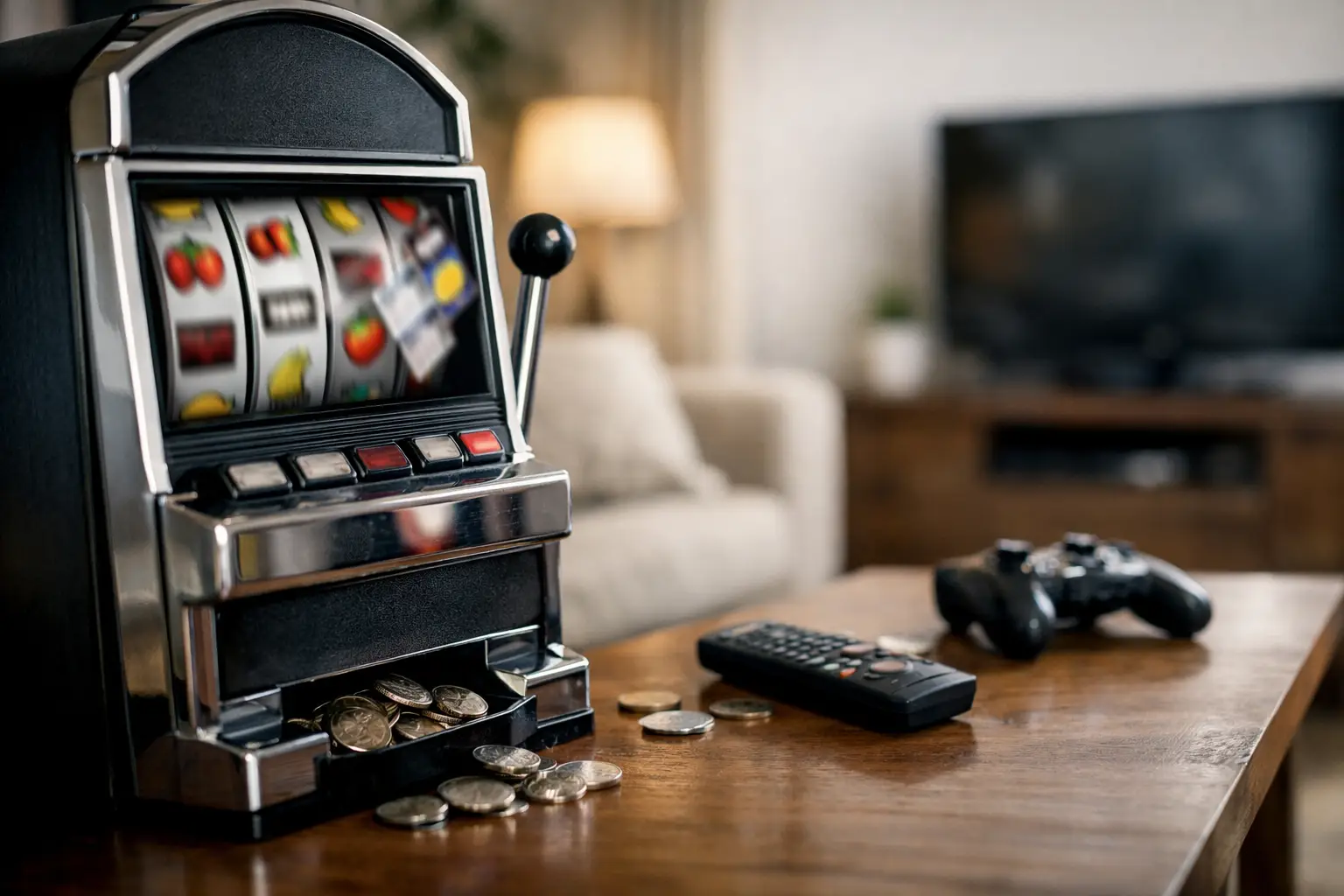
A slot machine that worked fine on a casino floor can suddenly act very different once it lands in a basement, garage, or game room. That is usually the first thing people mean when they ask, why do slot machines fail? The short answer is that most failures are not random. They come from age, wear, old electronics, storage conditions, and machines that were never properly prepared for home use in the first place.
That matters more than most buyers realize. A real casino slot machine is not built like a simple plug-and-play arcade toy. It is a commercial machine with sensors, boards, power supplies, wiring, buttons, lights, hoppers, ticket systems, and software that all have to work together. If even one part is weak, the whole game can act up.
Why do slot machines fail more often after resale?
A lot of used machines leave casinos because they are old enough to be rotated out, less profitable on the floor, or no longer worth maintaining in a commercial environment. That does not automatically mean they are junk. Many still have plenty of life left in them. But it does mean they have already seen real use, sometimes for years.
Casino equipment lives a hard life. Buttons get pressed thousands of times. Doors are opened and closed constantly. Bills go in, tickets come out, hoppers spin, fans collect dust, and power supplies run for long stretches. Once that kind of machine is removed from a casino, shipped, stored, and resold, every weak point gets a chance to show itself.
That is why resale quality varies so much. One machine may only need cleaning and updates. Another may look great on the outside but hide tired components inside. If the seller only wipes it down and turns it on for a quick test, the next owner is often the one who discovers the real issues.
The most common reasons slot machines fail
The biggest reason is simple wear and tear. These are electromechanical and electronic machines with moving parts and aging components. Buttons wear out. Power supplies get inconsistent. Touchscreens lose accuracy. Fans clog up. Coin mechanisms and bill acceptors collect dirt. Connectors loosen over time.
Another common issue is old capacitors and aging boards. Electronics do not last forever, especially when they have spent years in warm cabinets with constant power cycles. A machine may boot one day and fail the next, not because anyone abused it, but because older electronic parts finally gave out.
Storage conditions also do real damage. Machines kept in damp garages, non-climate-controlled warehouses, or dusty storage units tend to develop corrosion, sticky buttons, brittle plastics, and board problems. Even if the cabinet still looks decent, moisture and temperature swings can shorten the life of internal parts fast.
Then there is home conversion. This is a big one. Former casino machines often include sensors, locks, switches, and communication features that made sense on a casino floor but can create headaches in a house. If those systems are not properly removed, bypassed, or adapted, the machine may throw errors or refuse to run reliably in a residential setting.
Why do slot machines fail when they seem fine at first?
This is one of the most frustrating situations for a buyer. The machine powers on. The screen lights up. Maybe it even plays a few games. Then a week later a button stops responding, the hopper jams, the monitor flickers, or the machine throws an error code.
That happens because a surface-level test is not the same as a full refurbishment. A quick power-on test only proves the machine is alive at that moment. It does not confirm that the power supply is stable under load, that every button and lamp has been checked, that the software is current, or that known weak spots have been addressed.
A machine can look perfectly healthy while still carrying old dust, failing components, outdated firmware, or worn parts that are one step away from giving up. This is where a careful inspection process makes all the difference. The goal is not to hope a used machine works. The goal is to catch the small issues before they become ownership problems.
The difference between casino-ready and home-ready
People often assume a former casino machine should be easy to run at home because it was built for heavy use. In one sense that is true. These are tough commercial cabinets. But casino-ready and home-ready are not the same thing.
A casino has technicians, parts access, and a controlled operating environment. Your game room does not. At home, you want a machine that turns on, plays reliably, and does not depend on extra systems that no longer serve a purpose. You also want something that has been cleaned, repaired, updated, and tested for the way real owners actually use it.
That is why proper preparation matters. Removing casino-specific sensors, unnecessary switches, and lockouts can eliminate a lot of future headaches. Updating software and firmware can improve stability. Replacing weak components before sale is much better than waiting for them to fail after delivery.
What parts fail first on slot machines?
It depends on the machine, but a few categories show up again and again. Power supplies are a common trouble spot because they affect everything else. A weak power supply can cause random resets, startup failures, or strange behavior that looks like a bigger issue than it is.
Buttons and touch interfaces also take a beating. If a game has seen years of play, those input points may be worn, sticky, or inconsistent. Lighting components can fail too, especially in older machines with long service histories.
Bill validators and coin or hopper systems are another source of problems, mostly because dirt and wear build up over time. Even if a buyer plans to use the machine mostly for fun at home, those parts still need to be clean and working if they are part of the experience.
Monitors, fans, and internal wiring can also create trouble. Sometimes the issue is not a major board failure. It is a loose connector, poor airflow, or years of grime that should have been addressed before the machine was ever sold.
Why refurbishment matters more than age alone
An older machine that has been fully shopped, cleaned, repaired, updated, and tested can be a much better buy than a newer machine that was barely checked over. Age matters, but process matters more.
That is where hands-on restoration earns its value. A serious refurbishment process should go beyond cosmetic cleanup. It should involve inspection points, component checks, software review, cabinet cleaning, and actual effort to make the machine dependable in home use. If a seller treats every machine like a one-off project instead of just moving inventory, buyers usually feel that difference pretty quickly.
At St. Louis Slots, that is exactly why so much attention goes into preparing former casino machines for residential operation. Not because every used machine is bad, but because every used machine deserves real inspection before it reaches someone’s home.
Can slot machine failure be prevented completely?
Not completely. These are still machines, and machines eventually need service. Anyone promising that an older commercial game will never have an issue is overselling it.
What you can do is dramatically lower the odds of trouble. Good refurbishment, a proper home-use conversion, careful testing, and support after the sale all matter. So does how the machine is treated once it is in your home. Keeping it in a dry, climate-controlled room helps. Avoiding rough moves helps. Basic cleaning helps.
There is also a big difference between a machine that fails because it was neglected and a machine that needs occasional service because it is a real piece of commercial equipment. Most owners are completely fine with the second scenario. What they do not want is a machine that arrives with hidden issues and no backup.
What buyers should really ask before purchasing
The better question is not just why do slot machines fail. It is what was done to keep this one from failing.
Ask whether the machine was fully inspected or simply powered on. Ask if the software and firmware were updated. Ask whether casino-specific parts were removed or modified for home use. Ask what happens if something stops working after delivery.
Those answers tell you a lot. A seller who knows these machines inside and out will be able to explain the refurbishment work in plain English. That kind of transparency builds trust because it shows there is a real process behind the sale, not just a polished cabinet and a promise.
If you are shopping for a slot machine for your home, remember this: failure is usually not some mystery built into the game. It is usually the result of age, use, environment, or poor prep. When a machine is restored with care and backed by people who know how to support it, ownership becomes a whole lot more fun and a lot less stressful.
 | Check out our
Comments are closed