
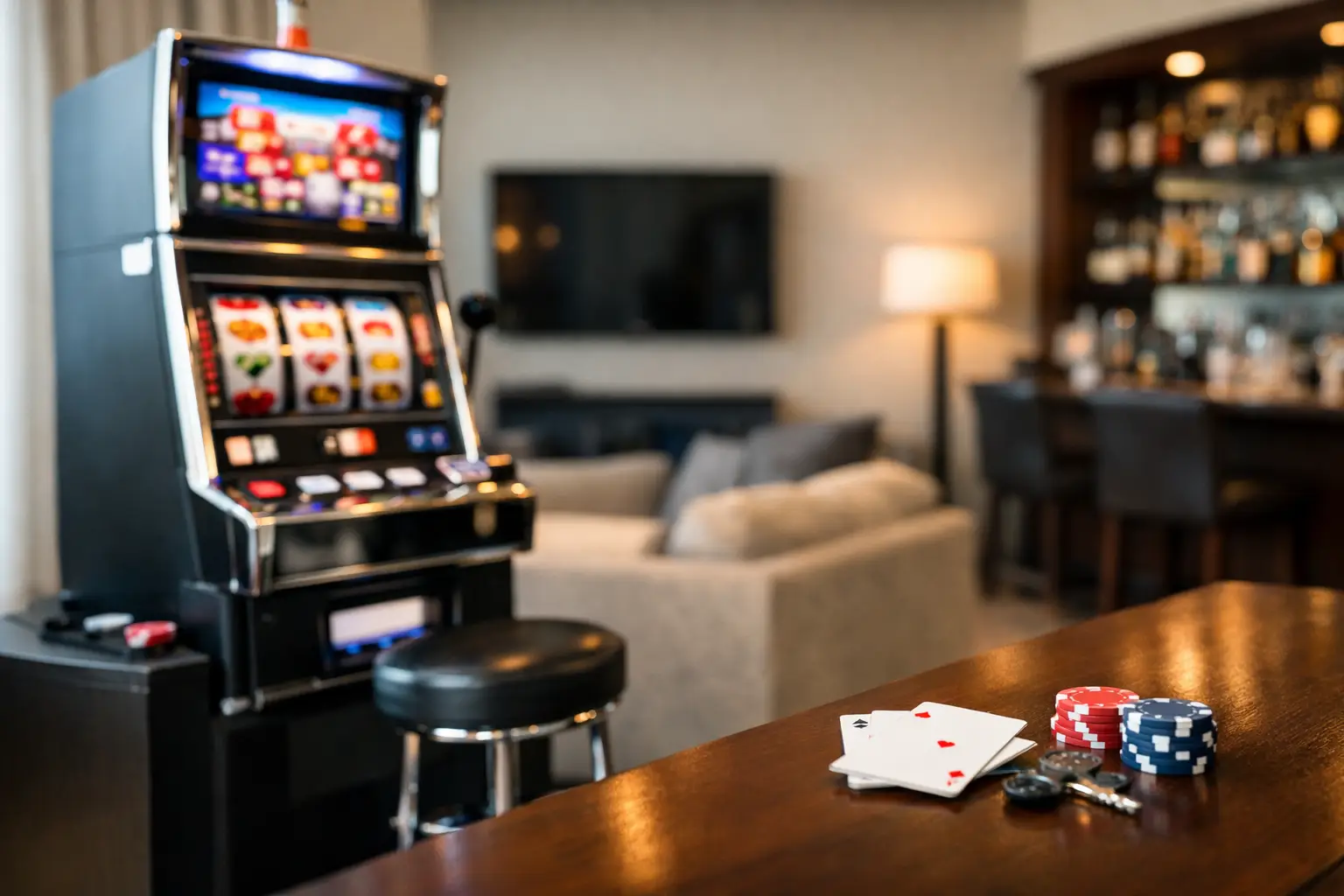
A great game room usually has that one piece everyone walks straight toward. In a lot of homes, that piece is a real slot machine. If you have been searching for a guide to buying slot machines, you are probably not looking for a toy or a novelty cabinet. You want the real casino feel, but you also want something that works in a home without turning into a repair project.
That is where many buyers get tripped up. On the surface, one used slot machine can look a lot like another. The cabinet may light up, the screen may turn on, and the price may seem tempting. But once you get past the photos, the difference between a machine that is home-ready and one that is simply old can be huge.
What this guide to buying slot machines should help you avoid
The biggest mistake buyers make is shopping by appearance alone. A machine can have a nice cabinet, clean artwork, and even power on, yet still be a poor fit for residential use. Former casino equipment was built for a commercial floor, not for a basement, garage, or game room. If it has not been properly prepared for home use, it may come with extra sensors, locks, wiring issues, software problems, or parts that create headaches later.
A low sticker price can hide a lot. You may save money upfront only to end up paying for repairs, troubleshooting, replacement parts, or technical help. For most home buyers, the better value is not the cheapest machine. It is the one that has already been cleaned up, tested, repaired, and set up to run the way a home owner actually needs it to run.
Decide what kind of machine fits your space and style
Before you compare condition and price, think about what you want the machine to do for your room. Some people want a classic reel slot because it brings back the exact casino sound and feel they remember. Others want a video slot with a bigger screen, bonus features, and more visual action. Some collectors lean toward video poker because it gives them a little more interaction and strategy.
There is no single right answer. It depends on whether you care most about nostalgia, entertainment value, visual style, or collectibility. If the machine is going into a man cave or finished basement, the cabinet look may matter just as much as the game itself. If it is going into a family game space, ease of use and reliability may matter more.
You should also think about physical space early. Real casino machines are heavy, and they are not all shaped the same. Some fit nicely into a corner. Others need more depth, more ceiling clearance, or more room around the front for comfortable play. Measure first. It is much easier than trying to explain later why the machine made it through the front door but not down the hallway.
Why home-ready matters more than casino-original
This is one of the biggest points in any guide to buying slot machines. Buyers often assume that “all original” is automatically better. In the collector world, originality can matter. But for a machine that is going to live in your home and get regular use, home-ready preparation is often more important.
Casino machines were designed with security features and operational systems that make sense on a gaming floor. In a house, those same features can become annoying or unnecessary. That is why a properly prepared home machine should have casino-specific sensors, locks, and unneeded switches addressed so the game can operate reliably in a residential setting.
That does not mean the machine loses its authentic feel. It means the machine has been adapted so you can actually enjoy it without fighting commercial hardware that no longer serves a purpose. For most buyers, that is a much better experience than owning a machine that is technically original but difficult to live with.
What to ask about refurbishment
Refurbishment is where the real value is. This is not just about wiping down the cabinet and plugging the machine in. A quality refurbishment process should include inspection, cleaning, repair, testing, and updates where needed.
Ask what has actually been done to the machine. Has it been shopped out thoroughly? Have worn parts been replaced? Has the bill acceptor been checked? Have lights, buttons, screens, speakers, and internal components been tested? Has the software or firmware been updated if needed? These details matter because they affect whether your machine will be fun for years or frustrating after a month.
A serious seller should be able to explain their process in plain English. That is a good sign. If the description stays vague and relies on words like “works great” without specifics, be careful. A machine can be running today and still have known problems waiting to show up.
Condition is more than cosmetic
Most buyers notice the cabinet first, and that makes sense. The machine is going to be part of your room, so you want it to look good. But cosmetic condition is only part of the story.
A little wear on the outside may be perfectly acceptable if the machine has been mechanically and electronically gone through with care. On the other hand, a shiny exterior does not guarantee much if the inside has been ignored. Buttons can fail. Monitors can dim. Power supplies can become unreliable. Ticket printers and validators can act up. Older machines may also need updates or adjustments to run consistently in a home environment.
Ideally, you want both – a cabinet that presents well and an interior that has been properly serviced. If you have to choose, the inside work matters more. Cosmetics catch attention, but reliability is what keeps the machine from becoming expensive decor.
Think about support before you buy
This is where many first-time buyers overlook the obvious. Even a well-restored machine is still a real machine with real parts. At some point, you may need help with settings, lights, sound, credits, acceptors, or general troubleshooting. That does not mean something is wrong with your purchase. It just means support matters.
Before you buy, ask what happens after delivery. Is there a warranty? Can you reach a real person if you need guidance? Does the seller service what they sell, or do they disappear once payment clears? Those answers tell you a lot about how confident they are in their own work.
A hands-on seller who stands behind the machine can save you time, money, and stress. That ongoing support is especially valuable if you love the idea of owning a slot machine but do not want to become a technician. At St. Louis Slots, for example, lifetime tech support is part of the value because buyers want fun, not guesswork.
Price, financing, and the real cost of ownership
Slot machine prices vary for good reason. Cabinet style, game title, age, parts availability, screen type, condition, and refurbishment depth all affect the number. So does whether the machine has already been made suitable for home use.
If one machine costs more than another, ask why. Sometimes the answer is simply better workmanship. A fully cleaned, repaired, updated, and certified machine should cost more than an untouched piece pulled from service and sold as-is. That higher upfront cost can be the cheaper choice over time.
Financing can also make a better machine more realistic. For some buyers, spreading out the purchase makes it easier to choose quality instead of settling for the lowest price. That can be a smart move when you are buying a specialty entertainment piece you plan to keep and enjoy.
Who you buy from matters as much as what you buy
A good seller does more than list inventory. They help match the right machine to the right buyer. They answer beginner questions without making you feel lost. They explain the difference between models, tell you what kind of maintenance to expect, and are honest about trade-offs.
That last part matters. Not every machine is ideal for every home. Some are better for collectors. Some are better for casual play. Some titles are easier to support long-term than others. A trustworthy seller will tell you that, even if it means steering you away from a machine you first thought you wanted.
When you are comparing options, look for a business that clearly has its hands on the machines. You want people who restore them, test them, and know how they behave in real home settings. That kind of experience tends to show up in every part of the buying process, from the first question to the first spin.
A slot machine should feel like the fun purchase in the room, not the risky one. Buy the machine that has been cared for, prepared properly, and backed by people who know it inside and out. When that part is handled right, the rest is easy – you plug it in, hear the sounds, watch the lights come up, and remember exactly why you wanted one in the first place.
 | Check out our
Comments are closed