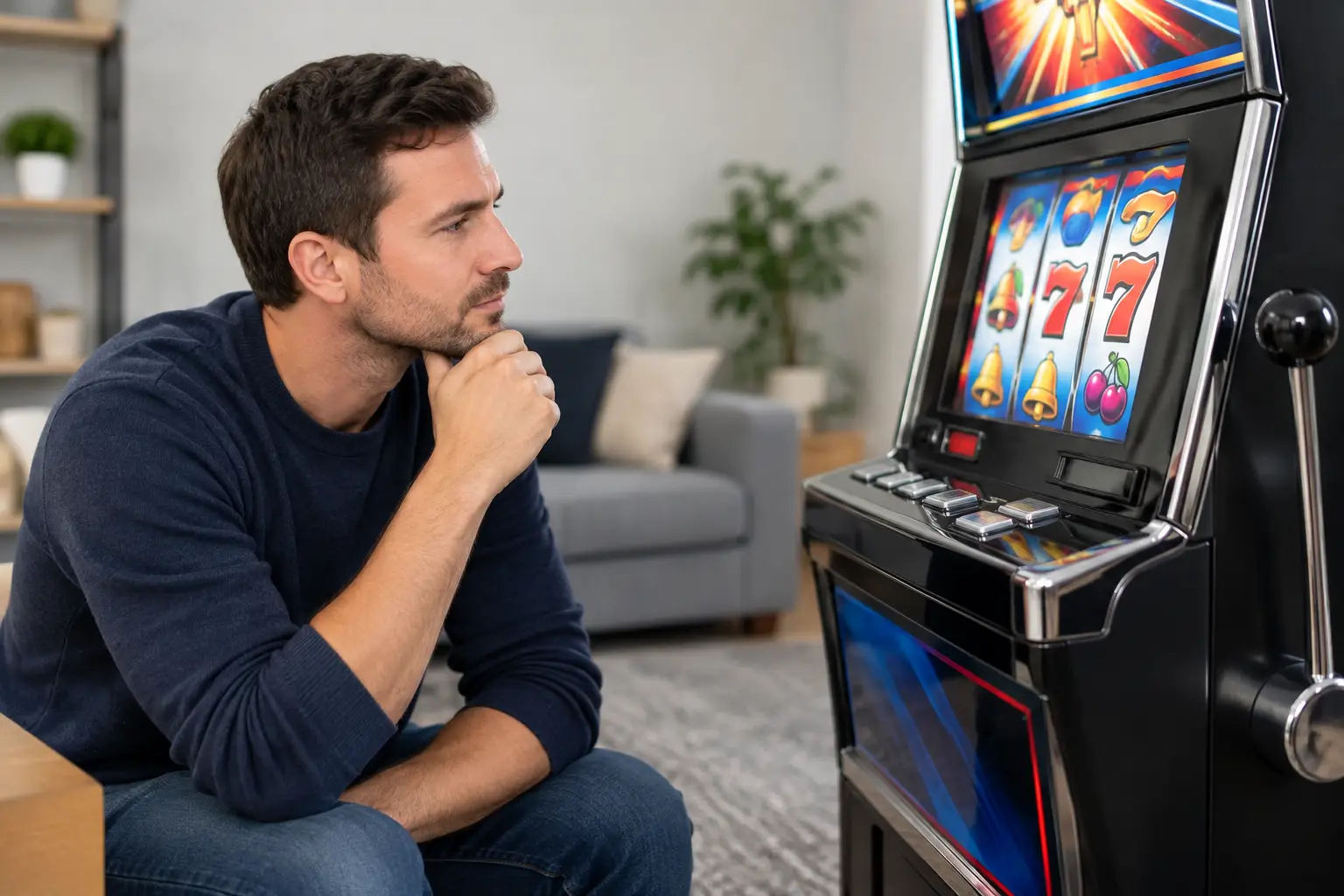
A real casino slot machine in the corner of a finished basement gets attention fast. Before the first spin, though, most buyers have one very reasonable question: are home slot machines legal?
For many adults, the answer is yes – but it depends on where you live, how the machine is set up, and what happens when someone plays it. Owning a machine for private, at-home entertainment is very different from operating a gambling device for money or prizes. That distinction matters.
This is general information, not legal advice. Gambling and gaming-device rules can change, and state and local laws are not identical. A quick check with your state gaming authority, local attorney, or local law enforcement non-emergency office can give you confidence before you buy.
Are Home Slot Machines Legal for Private Use?
In many parts of the United States, adults can legally own a former casino slot machine as a collectible or home entertainment piece. The machine may sit in a game room, man cave, she-shed, garage, rec room, or business lobby as a display piece. Friends and family can often play it for fun when no real-world value is being wagered or awarded.
The legal concern usually is not the flashing lights, reels, or authentic casino cabinet. It is whether the machine is being used for gambling. If players put up cash, credits that have cash value, or anything of value for the chance to win money or prizes, the situation can move into regulated gambling territory.
That is why a home machine should be treated as entertainment, not a side business or a cash game. A machine that is perfectly appropriate in a private game room may create a very different legal issue if it is placed in a public venue, used to collect bets, or used to pay winners.
The Three Questions That Usually Matter Most
State statutes use different language, but home ownership often comes down to three practical questions: Is possession allowed in your state? Is the machine being used privately? Is anyone wagering or winning something of value?
1. Does your state allow ownership or possession?
Some states are friendlier to antique, collectible, or amusement devices than others. A few have rules tied to the age of the machine. Others focus less on its manufacture date and more on whether it remains capable of gambling use. Certain states may require registration, licensing, or special handling for particular types of gaming devices.
Do not assume that a machine being sold online or transported across state lines automatically means it is permitted where you live. Sellers and buyers both need to account for the destination state’s rules. Local ordinances can also add another layer, especially in cities or counties with specific amusement-device regulations.
2. Is it for a truly private setting?
A machine in your own home, played casually by invited guests, is generally easier to distinguish from commercial gambling. The line gets blurrier when a machine is installed in a bar, restaurant, office open to the public, clubhouse, rental property, or other place where people come and go.
Charging people to play, using the machine to raise money, or putting it somewhere customers can access it may invite rules that do not apply to a family game room. Even a well-intentioned fundraiser can create issues when a game of chance is connected to payment or prizes.
3. Are cash, prizes, or valuable rewards involved?
This is the big one. For home entertainment, the safest approach is simple: no cash payouts, no wagers, and no prizes with real value. Let the machine do what it does best – light up, play great sounds, and give everyone that familiar casino-style rush without money changing hands.
Free play is common for a reason. Players can enjoy the game with no expectation of winning anything beyond bragging rights. If you want to use credits, tokens, or tickets as part of the experience, make sure they are strictly for play and cannot be redeemed for cash, merchandise, drinks, discounts, or other value.
Why Home-Use Setup Makes a Difference
A former casino machine was built for a casino floor, not a basement outlet. Casino units can include bill validators, accounting features, door sensors, security hardware, player-tracking components, and other systems that a homeowner does not need.
For residential use, the goal is a machine that is configured for fun, reliability, and straightforward operation. A properly prepared home machine may be set to free play and have casino-specific sensors, locks, switches, and unnecessary components removed or modified. That does not replace the need to follow your local laws, but it helps make the machine fit its intended role: private entertainment.
It also makes ownership much more enjoyable. You should not need casino-floor training to turn on your game, adjust basic settings, or recover from a power outage. A machine that has been cleaned, inspected, repaired, and updated is less likely to become a very heavy decoration after a few weekends.
At St. Louis Slots, the focus is on giving former casino games a second life at home. That means putting real care into refurbishment and home-use preparation, so buyers can enjoy the authentic feel of a casino machine without bringing casino operations into their house.
Buying Smart: Questions to Ask Before Bringing One Home
Before choosing a machine, ask the seller whether it has been prepared for home use and whether it is configured for free play. Find out what was tested, what was repaired, and whether software or firmware was updated. A seller should be comfortable explaining the condition of the cabinet, monitor, buttons, lights, power supply, main board, and coin or bill-handling components.
Ask about delivery, power requirements, weight, dimensions, and support after the sale, too. Full-size casino machines are substantial pieces of equipment. Measure the path from the driveway to the room where it will live, including stairs, doorways, turns, and ceiling clearance. The right machine is not just the one with your favorite theme. It is the one that fits your space and will keep running once the excitement of delivery day wears off.
If legality is a concern in your area, ask the exact questions that apply to your plans. Explain that the machine will be in a private residence, set for entertainment, and not used for wagering or payouts. Clear details will get you a more useful answer than simply asking whether slot machines are legal.
Common Misunderstandings About Home Slot Machines
One misconception is that every machine with spinning reels is illegal. That is not how most laws work. The presence of a slot-style cabinet does not automatically make private ownership unlawful. The way it is used, its features, and the rules in your state are what matter.
Another misunderstanding is that an old machine is automatically legal everywhere. Age exemptions exist in some places, but they are not universal, and the definition of an antique can vary. A vintage machine may still need to meet state requirements or be kept in a non-gambling configuration.
There is also a difference between owning a machine and operating one. You may be allowed to display or play a device at home but not use it in a business or let others play for money. Keeping those uses separate protects the easygoing, private experience most home owners actually want.
A Better Way to Think About Home Ownership
Think of a home slot machine like any other specialty entertainment piece. It is there to make your space more memorable: a conversation starter during a watch party, a nostalgic centerpiece beside the pool table, or the game everyone wants to try at a family gathering.
The best ownership experience combines two things. First, choose a machine that has been carefully restored and set up for residential life. Second, keep the play private, free, and just for fun while confirming the specific rules where you live. That lets the lights, sounds, and excitement stay exactly where they belong – in your game room.
 | Check out our
Comments are closed