
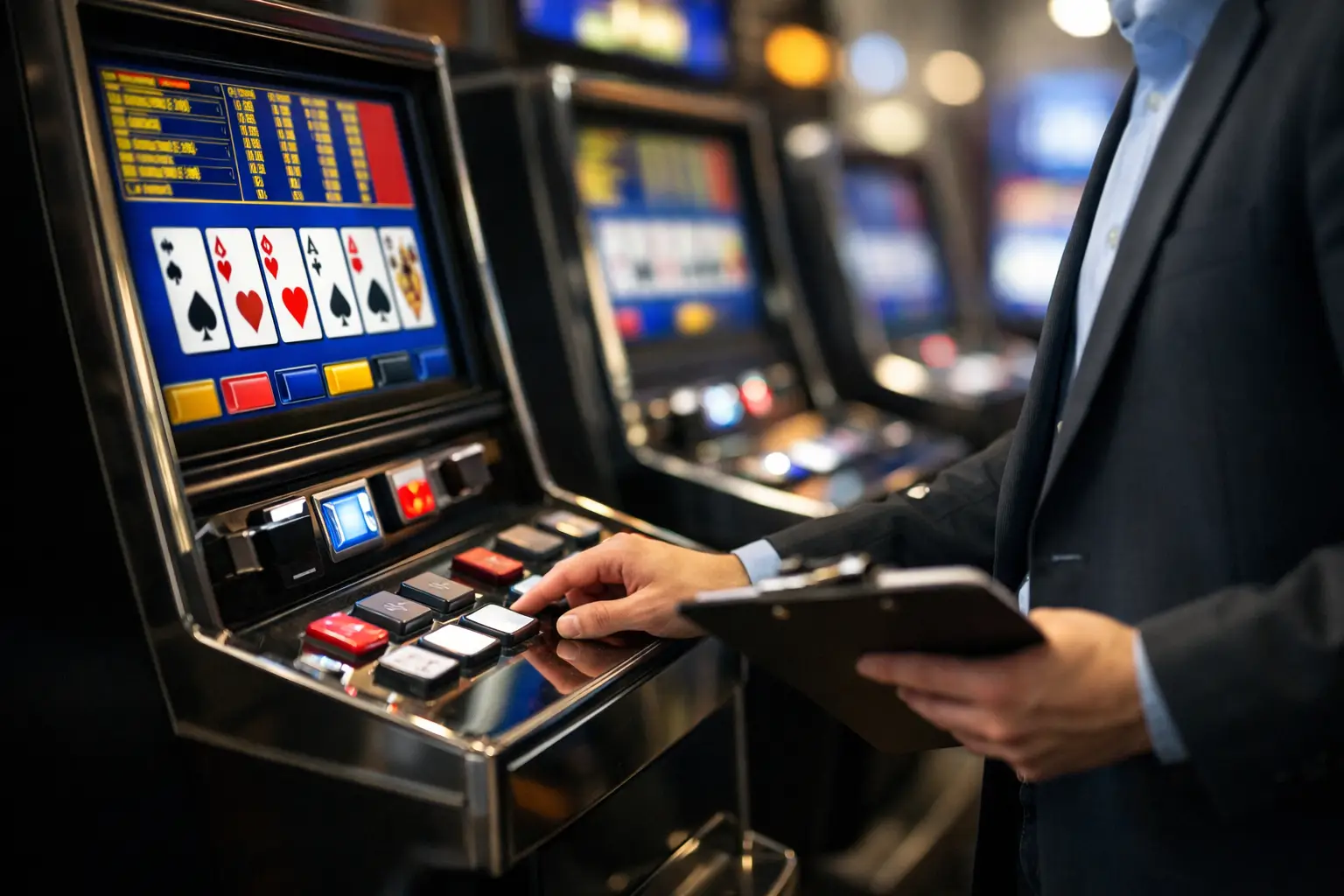
A great video poker machine can turn a basement, bar area, garage, or game room into the spot everyone wants to hang out. But if you have ever started shopping without a real guide to buying video poker machines, you already know the market can get confusing fast. Machines may look similar on the outside while being very different in condition, software, home-use readiness, and long-term reliability.
That is where buyers usually make the wrong call. They focus on cabinet style or price tag first, then find out later the machine still has casino-specific parts, needs repairs, or was never properly prepared for residential use. A better approach is to shop like an owner, not just a fan of the look.
What matters most when buying a video poker machine
For home buyers, the real question is not just, “Does it look cool?” It is, “Will it work well in my space and keep working?” That means condition matters more than flash, and refurbishment matters more than promises.
A former casino machine has already lived a full life in a commercial environment. That is not automatically a bad thing. In fact, many of the best home machines started on casino floors because they were built to take serious daily use. The catch is that a used machine should be thoroughly shopped, cleaned, tested, updated, and modified for home operation before it lands in your house.
If that step is skipped or rushed, you may end up buying a project instead of a game. For some collectors, that is part of the fun. For most homeowners, it is not. Most people want to plug it in, add it to the room, and enjoy the experience without learning machine repair on the side.
A practical guide to buying video poker machines for home use
The first thing to verify is whether the machine has been prepared specifically for residential operation. Casino machines are built with sensors, locks, switches, and other features that make sense in a regulated gaming environment but do not add value in a home. In some cases, they can actually create headaches if they are left in place.
A machine that has been converted for home use should feel simpler and more dependable. It should accept the way a homeowner will really use it – turning it on for fun, showing it off to friends, and expecting a trouble-free experience rather than a casino technician’s workflow.
The second thing to ask about is the refurbishment process. This is where one seller can be dramatically different from another. “Used” does not tell you much. “Refurbished” can also mean almost anything unless the seller explains what was actually done.
You want specifics. Was the cabinet cleaned inside and out? Were worn parts replaced? Was the monitor checked? Were buttons tested? Was the bill validator serviced or updated if included? Was the software reviewed? Were lights, sound, and play functions confirmed? A real refurbishment process should sound detailed because it is detailed.
At St. Louis Slots, for example, that hands-on process is a big part of what gives buyers peace of mind. When a machine goes through inspection, repair, updates, and home-use preparation before sale, the buyer gets a game instead of a gamble.
New-looking cabinets are nice, but reliability wins
It is easy to get pulled in by cosmetics. Side art, lighting, trim, and cabinet shape all matter, especially if you are building a room with a certain look. But reliability should still come first.
A machine can have a beautiful cabinet and still hide issues behind the door. On the other hand, a machine with a little honest age in its appearance may be an excellent value if the internal systems have been cleaned, repaired, and tested properly. The right choice depends on your priorities. If the machine is going in a polished finished basement, appearance may rank higher. If it is going into a garage game room where friends just want to play, function may matter more.
This is also why photos alone are not enough. Ask what was done to the machine, what was replaced, and whether it has been certified as ready for home use. Good sellers should be comfortable answering those questions in plain English.
Game selection, cabinet style, and room fit
Not every buyer wants the same thing. Some people want classic draw poker and nothing else. Others want a multi-game setup that gives guests more options. There is no single right answer here. It depends on how you plan to use the machine.
If you love the nostalgia of one specific experience, a dedicated style machine may feel more authentic. If the machine is going into a shared entertainment space, broader game variety can make it a better fit. Think about who will be playing and how often. A collector may prioritize era-correct feel, while a casual buyer may care more about flexibility and convenience.
Cabinet size matters too. Before you buy, measure the space carefully, including ceiling height, doorway width, and the path into the room. This sounds basic, but it saves a lot of frustration. A machine may fit perfectly in your basement once it is there, yet be difficult to get downstairs if you did not account for turns, stairwells, or tight entry points.
Power is usually straightforward for home-ready machines, but it is still smart to confirm what the unit requires. Most buyers want something that works comfortably in a standard residential environment without special electrical changes.
Price is about more than the sticker
One of the biggest mistakes buyers make is comparing machines by price alone. A cheaper machine is not always a better deal if it needs parts, service, updates, transport fixes, or additional conversion work after purchase.
A higher-priced machine that has already been inspected, repaired, cleaned, and updated may actually cost less in the long run. It may also save you something just as valuable – your time. Most home buyers are not looking for a months-long restoration project. They want the fun part now.
This is where service and support deserve real weight in your decision. Ask what happens if you have questions after delivery. Is there a warranty? Is there a real person who can help troubleshoot? Will the seller still answer the phone or message you after the sale? Those details matter a lot more once the machine is sitting in your house.
Financing can matter too, especially if you are outfitting a larger game room or buying more than one machine. A payment option can make a better-quality machine more realistic without forcing you to settle for the cheapest thing available.
What to ask before you buy
The best version of a guide to buying video poker machines includes a few simple questions that cut through the sales talk. Ask whether the machine was used commercially, what refurbishment steps were completed, what home-use modifications were made, whether the software and firmware were checked or updated, and what kind of support is available after purchase.
Also ask if the machine has been fully tested under play conditions, not just powered on. There is a big difference between “it lights up” and “it has been confirmed to operate correctly.” Buttons, sound, display quality, payout simulation, and overall gameplay should all be part of that testing process.
If the seller gives vague answers, be careful. If they explain the work clearly and confidently, that is usually a very good sign.
Who should buy refurbished instead of as-is
For most people, refurbished is the better path. It gives you the authentic feel of a real casino machine without pushing technical problems onto your to-do list. That is especially true if you want a centerpiece for a man cave, she-shed, rec room, or home bar and you would rather spend your time enjoying it than opening the cabinet.
An as-is machine can make sense for experienced hobbyists who enjoy repairs, already understand the hardware, or want a low-cost restoration project. But that is a narrower group than many sellers assume. Most buyers want confidence, not mystery.
That is why a service-backed refurbished machine tends to be the sweet spot. You get the character, sound, lights, and genuine gameplay people love, but with the kind of prep work that makes it practical to own at home.
A good machine should feel like a treat, not a chore. If you buy with that standard in mind, you will end up with something that adds real personality to your space and keeps paying off every time you hit the power button.
 | Check out our
Comments are closed