
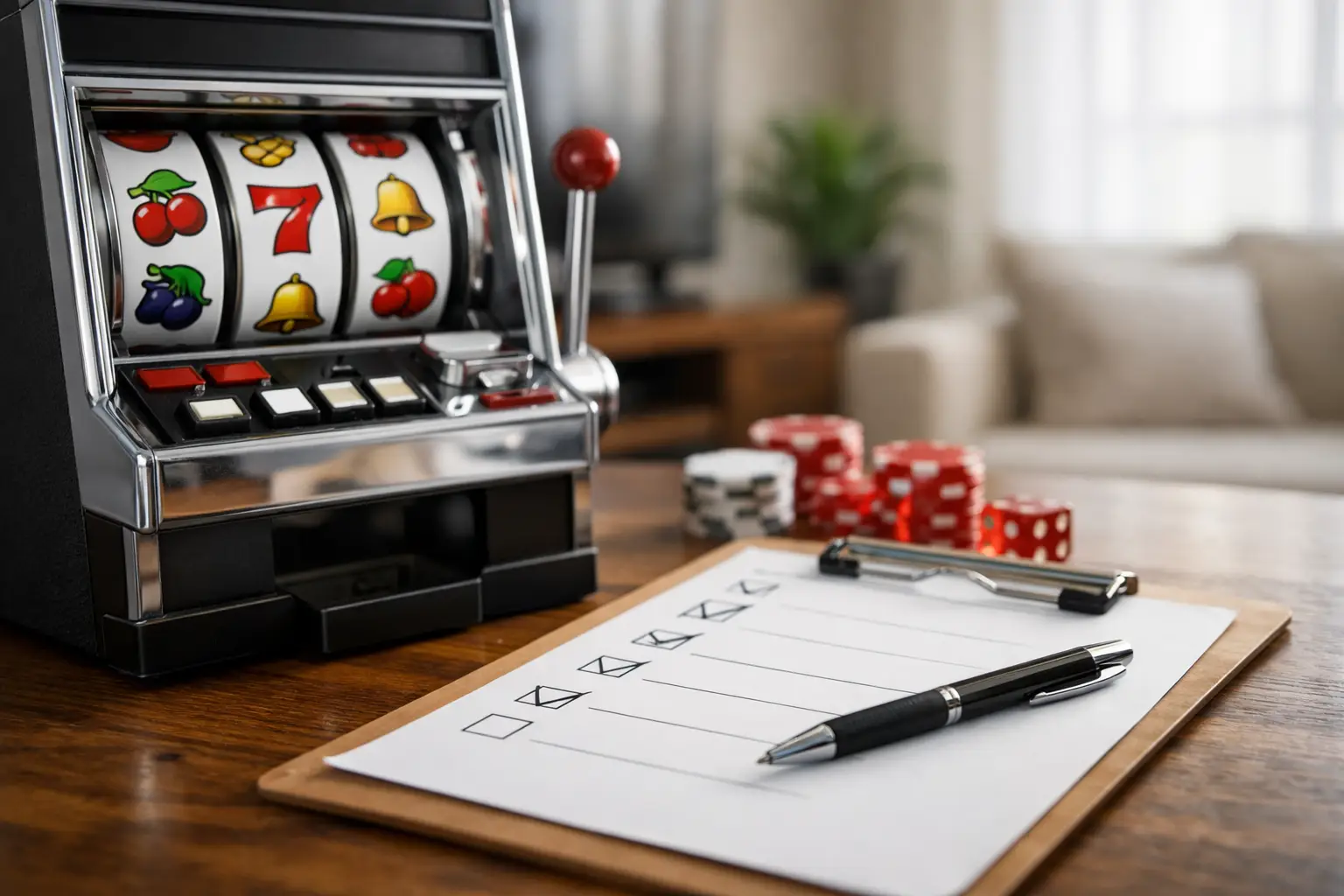
A slot machine can look great in a photo and still be a headache the minute it lands in your game room. That is why a home ready slot machine checklist matters. If you are buying a former casino machine for your basement, garage, bar area, or man cave, the goal is not just getting a game that powers on. You want one that has been properly rebuilt for real home use, so it is fun to own instead of one more project sitting in the corner.
What a home ready slot machine checklist should actually cover
A true home-use machine is different from a casino-floor machine that was simply rolled out of storage and wiped down. Casino machines were built for commercial settings, tight security controls, and constant operation. In a house, none of that matters if the game is unreliable, confusing to operate, or still loaded with parts that only make sense in a regulated gaming environment.
A good checklist starts with the basics – cleanliness, appearance, and whether the game works. But it should go further than that. It should answer whether the machine has been inspected, repaired where needed, updated, and modified so a regular homeowner can enjoy it without specialized tools or casino tech experience.
Start with the cabinet and overall condition
The first thing most buyers notice is cosmetic condition, and that is fair. A home slot machine is entertainment, but it is also part of the room. If the cabinet is beat up, sticky, cracked, or faded, it will always feel like a used commercial machine instead of a restored piece you are proud to show off.
Look for a cabinet that has been thoroughly cleaned inside and out, not just dusted on the front. Buttons should feel solid. The topper, belly glass, reels or screen, and trim should all be secure. Locks and doors should open and close properly. If there are scratches or signs of age, that is not always a deal breaker. Some wear is normal on older machines. The real question is whether the machine feels cared for or simply resold.
Make sure the machine has been shopped, not just tested
This is where a lot of buyers get tripped up. A seller may say the game “works,” but that can mean almost anything. It may light up and play a few spins today, yet still have worn parts, weak buttons, dirty contacts, outdated software, or intermittent issues waiting to show up next week.
A properly shopped machine has been gone through with intention. That means checking the internal components, identifying failing parts, cleaning problem areas, and correcting issues before the machine goes into your home. It is the difference between a quick flip and a machine prepared for long-term use.
If a seller can explain an inspection process in plain English, that is a good sign. If they cannot tell you what was checked, repaired, cleaned, or updated, you are probably taking on more risk than you realize.
Confirm it has been converted for residential use
This may be the biggest item on any home ready slot machine checklist. Casino machines often contain sensors, security features, and operational switches that are useful in a casino but unnecessary in a house. If those parts are left in place, they can create confusion, faults, or service problems for a home owner.
A machine prepared for home entertainment should be modified for residential operation. That usually means removing or bypassing casino-specific hardware that no longer serves a purpose outside a gaming floor. It should also mean the machine is set up to run in a straightforward, dependable way without requiring a route operator, floor attendant, or casino technician every time something small goes wrong.
This is one of those areas where details matter. A machine can be authentic and still be made practical for home use. In fact, that is the whole point.
Check the power requirements before you buy
Most home buyers want plug-and-play simplicity, and that is reasonable. You should know what the machine needs before it shows up at your door. Does it run on standard household power? Has it been configured so you are not dealing with unusual electrical requirements? Will it be happy in a finished basement or game room without extra work?
This is also where honesty matters. Some machines are more home-friendly than others. Certain models are easier to place, easier to maintain, and easier to power in a typical residential space. A good seller should tell you that, even if it means steering you toward a different machine than the one you first picked.
Test the bill validator, buttons, lights, and sound
The fun of owning a slot machine is in the full experience. If the bill acceptor is fussy, the spin button sticks, or the sound cuts in and out, the game stops feeling special pretty fast.
A home-ready machine should have responsive controls and dependable basic functions. The lights should work as intended. The sound should be clear. The display should be readable. If it uses a bill validator, it should be tested and functioning properly for home play. If it has printers, hoppers, or other payout-related components, you want to know how they are set up and whether they are active, modified, or disabled for residential entertainment.
There is some room for preference here. Some owners want all the bells and whistles operating. Others care more about simple gameplay and less about every original feature. Neither approach is wrong, but the machine should match your expectations before you buy it.
Ask about software and firmware updates
Older gaming equipment does not just age physically. Software matters too. If updates are available and relevant, they should be part of the refurbishment process. A machine that has been updated and checked at the software level is usually a better bet than one sold as-is with unknown history.
This is not the flashiest part of ownership, but it often separates a dependable machine from one that behaves strangely. Error codes, communication issues, or glitches are a lot less charming when they happen in your house.
Look for a real inspection standard
One of the strongest signs of quality is a clear, repeatable inspection process. At St. Louis Slots, every machine goes through a detailed 21-point inspection because winging it is not a restoration plan. Buyers may not need to know every technical checkpoint, but they should know there is a process behind the finished product.
That process should include cleaning, repair, testing, updates, and final verification. It should also be done by people who understand these machines, not someone who just knows how to move them around a warehouse. Former casino equipment can be fantastic for home entertainment, but only when somebody has put real hands-on work into making it that way.
Do not overlook support after the sale
This part gets ignored until something goes wrong. Even a well-refurbished machine may eventually need a question answered, a setting adjusted, or a small issue diagnosed. When that day comes, you will care a lot less about the original sales pitch and a lot more about whether someone actually picks up the phone or responds to a message.
That is why support belongs on the checklist. Ask whether help is available after delivery. Ask whether parts and service are offered. Ask whether there is any warranty. A seller who stands behind the machine usually refurbishes differently than one who plans to disappear after the sale.
Think about placement, access, and day-to-day ownership
Before you commit, picture the machine in your actual space. Can it fit through the door? Does the floor support the weight? Is there enough room to open the cabinet, sit or stand comfortably, and enjoy the machine without crowding the room?
This sounds simple, but it is a real quality-of-life issue. A machine can be perfect mechanically and still be a bad fit for the space. You also want to think about noise level, lighting, and whether the game suits the vibe of the room. A lively bonus-heavy slot may be exactly right for one setup and a little much for another.
A quick gut check before you say yes
If you are staring at a machine and wondering whether it is really home ready, ask yourself one plain question: does this feel like a restored entertainment piece or a retired casino machine I am about to babysit? The right machine should make ownership feel easy, exciting, and worth the space it takes up.
A solid home ready slot machine checklist is really about confidence. Clean cabinet, proper refurbishment, residential conversion, tested components, updated software, and support after the sale – those are the things that make the difference. When all of that is in place, the machine stops being a gamble and starts becoming the most talked-about part of the room.
Pick the one that has had real work put into it, because the best home slot machine is not the one with the flashiest lights. It is the one you can switch on anytime and simply enjoy.
 | Check out our
Comments are closed