
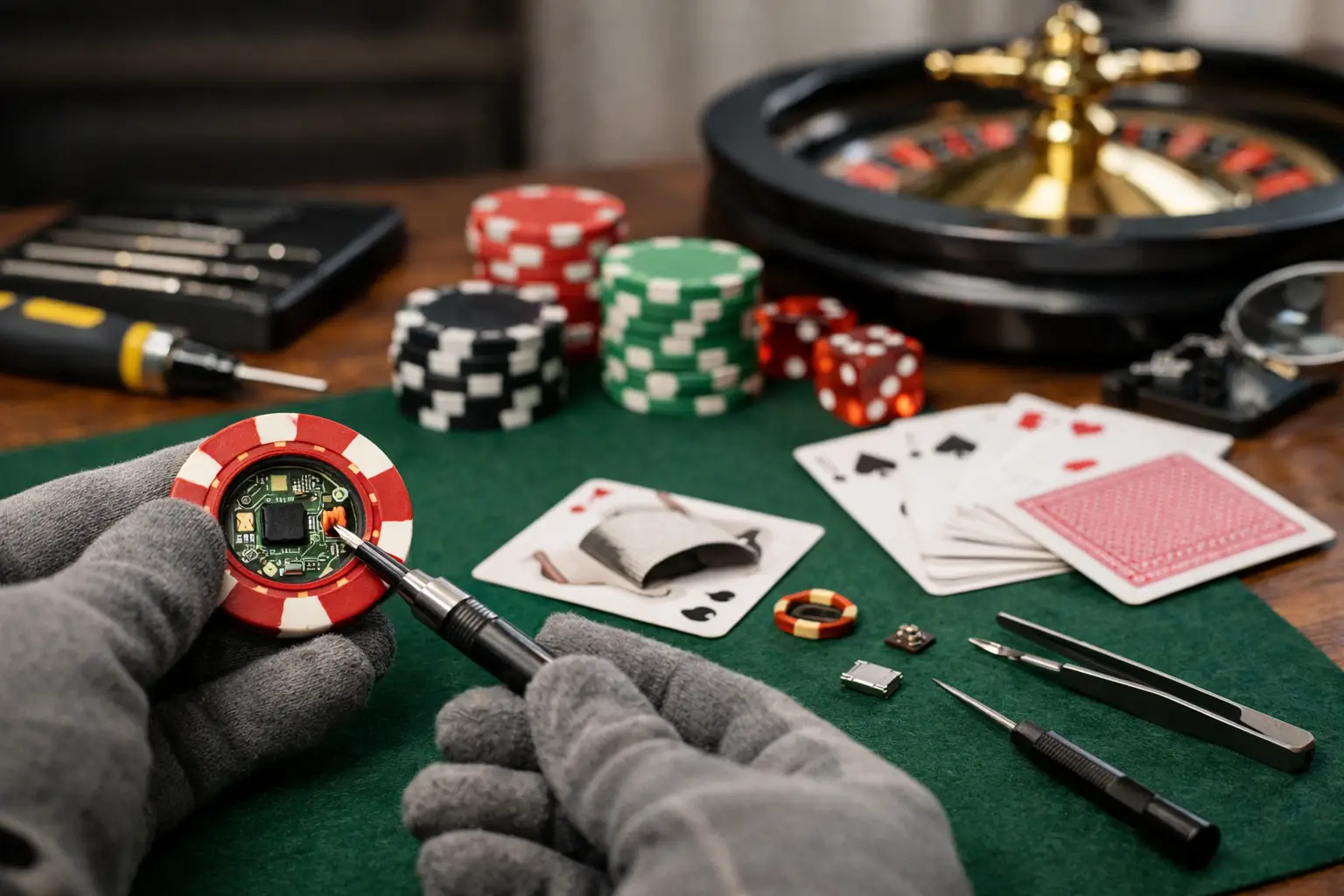
A real casino slot machine is built for a very different life than a game room. On a casino floor, it may be connected to accounting systems, player tracking, door monitoring, cash-handling equipment, and security procedures. To remove casino sensors safely from a retired machine, the goal is not simply to unplug parts and hope the game boots. The goal is to prepare an authentic machine for dependable, enjoyable home use without creating electrical issues, error codes, or a cabinet that is harder to service later.
That is why this work belongs in the refurbishment process, after the machine has been legally retired from commercial casino use and is in the hands of its rightful owner or an experienced service professional. A properly prepared home slot machine should feel like fun from the moment you turn it on, not like a project with a warning light.
Why casino machines have so many sensors
Casino equipment is designed to report and protect. Depending on the game and its original configuration, sensors may monitor the main door, belly door, logic compartment, cash box, bill validator, printer, hopper, reel area, and other access points. A casino operator needs to know when a cabinet is opened, when money-handling components are removed, or when a device needs attention.
At home, many of those commercial functions are unnecessary. In fact, leaving every original casino-specific switch and sensor in place can cause a retired machine to display persistent tilt messages, door-open errors, or service alerts. Those messages may not mean the game is broken. They may simply mean the machine is still looking for equipment or conditions it expected to find on a casino floor.
There is a difference, though, between removing unneeded commercial hardware during a legal conversion and tampering with security equipment on an active casino machine. Never attempt to defeat, bypass, or alter sensors on equipment in a casino, rental location, or any machine you do not own. Home conversion work starts only after lawful acquisition and proper decommissioning.
Safe removal starts with identifying the machine
There is no universal sensor layout. An older reel slot, a video poker machine, and a newer video slot can have dramatically different cabinet designs, wiring harnesses, software versions, and diagnostic routines. Even two machines from the same manufacturer may be configured differently based on their former casino installation.
Before any work begins, a technician needs to identify the cabinet model, game platform, power arrangement, and which original components remain installed. This is where experience saves a lot of frustration. A switch that looks unnecessary may be part of an interlock circuit. A loose connector may belong to a removed printer or bill validator. A cabinet message may point to a software setting rather than a physical sensor at all.
For home owners, the practical takeaway is simple: do not make assumptions based on a photo, a forum post, or a machine that looks similar. The right approach depends on the exact game in front of you.
Power comes first
A slot machine cabinet contains power supplies, boards, monitors, wiring, and components that can retain electrical energy after shutdown. Before inspection or service, the machine should be powered down correctly, unplugged, and given time to discharge. The work area should be dry, well lit, and clear enough to open the cabinet without straining wires or scratching the door.
This is not the place for improvised tools or quick fixes. Cutting wires, forcing connectors, or wedging switches closed can turn a manageable service issue into a harder repair. It can also make future diagnostics much more difficult for the person who eventually services the machine.
What professional home-use conversion looks like
A thoughtful conversion is a system check, not a single modification. The technician evaluates which casino-specific components should be removed, which should remain for safe cabinet operation, and how the game software needs to be configured for a residential setting.
For example, a machine may no longer need a cash box sensor because it will not accept or store cash in the way it did at a casino. But the cabinet still needs to close properly, power on safely, and remain accessible for maintenance. The objective is a clean, serviceable setup that does not rely on hidden workarounds.
At St. Louis Slots, that kind of care is part of why a refurbished machine goes through a detailed inspection before it is ready for a home. Casino-specific sensors, locks, and unnecessary switches are addressed as part of making the cabinet practical for residential use. The machine is also cleaned, repaired, updated, and tested so the customer receives a game that is meant to be played, not endlessly troubleshot.
Software matters as much as hardware
Removing a physical component does not always remove the machine’s expectation that the component exists. Many games are programmed to look for a signal from a bill validator, printer, hopper, door switch, or accounting connection. If the software settings are not updated correctly, the game can still fault even when the cabinet wiring looks neat.
That is why a proper conversion may include firmware or software updates, configuration changes, and repeated testing in service mode. This is also where the right documentation matters. A machine can appear to work during a quick power-on test, then throw an error after several games, a door cycle, or a power restart.
The best result is not a machine that merely boots once. It is a machine that starts reliably, plays normally, and can be serviced without guessing what was changed years earlier.
Signs you should stop and call a professional
Some home machine issues are simple, such as a loose door latch or a cabinet that needs cleaning. Others deserve a trained set of hands. Stop working and seek qualified service if you notice burned wiring, a hot electrical smell, damaged insulation, corrosion near boards or power supplies, repeated fuse failures, or an error that returns after a basic reset.
The same goes for unknown wiring modifications. Used casino machines sometimes pass through several owners before they reach a home game room. A previous owner may have removed equipment, changed connectors, or made a temporary repair that is no longer reliable. Adding another workaround on top of an old workaround rarely ends well.
If you bought a machine as-is and are unsure whether it has been properly converted for home operation, ask for an inspection before investing time or money in cosmetic upgrades. A great-looking cabinet is only part of the experience. The real value is a machine that plays when friends come over.
What to expect from a home-ready machine
A properly refurbished slot or video poker machine should let you enjoy the sights, sounds, buttons, and personality that made casino games so memorable, without requiring casino-floor infrastructure. It should not demand a daily service routine, a pile of special keys, or a crash course in commercial gaming electronics.
That does not mean every retired machine will be identical. Some home owners prefer coin play for the nostalgic feel. Others want simple free play. Some want the bill validator removed entirely, while others want it retained for entertainment use where permitted and appropriately configured. The best setup depends on the game, the available parts, and how you plan to enjoy it.
A dependable home machine also benefits from basic care. Keep drinks away from the cabinet, give it room to ventilate, avoid moving it by the door or monitor, and use a quality surge protector. Those small habits help protect the work that went into bringing the machine back to life.
A retired casino game should bring the fun of a night out into your basement, garage, man cave, she-shed, or game room – without the smoke, travel, and uncertainty. When casino-specific sensors are handled the right way, the machine keeps its authentic character while becoming much easier to own, enjoy, and love for years to come.
 | Check out our
Comments are closed